How does sharing food preserve kinship while also carrying people into unfamiliar worlds? Enter through market shopping and home banquets, then read food fiction, neighborhood culinary memories, kitchens abroad, and food poetry to compare the care, sociability, and cultural imagination behind everyday flavors.
Memory at the Family Banquet: Whom Does a Dish Connect?
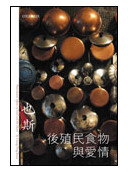
Start with the title essay's excerpt on buying runbing (spring-roll) wrappers, then follow the table of contents into family tables and market streets to ask how everyday shopping links three generations of women. Prepared from the excerpt and both editions' tables of contents without a full reading; because the 2026 commemorative edition revises the text, earlier excerpts are not treated as verbatim transcripts of the new edition.
Read its accounts of home banquets and culinary hospitality alongside the previous book, observing how a single dish preserves memories of mentors, friends, kin, and gatherings. Recorded here in the 1999 paperback first edition without retrofitting the ISBN or page count of the 2018 second edition.
From the public opening pages set around bars, birthdays, and memories of identity, compare how food brings disparate characters together. Prepared from retailer excerpts and the table of contents without a full reading; this record covers the entire short-story collection rather than the title story alone, and fictional encounters do not serve as empirical urban history.
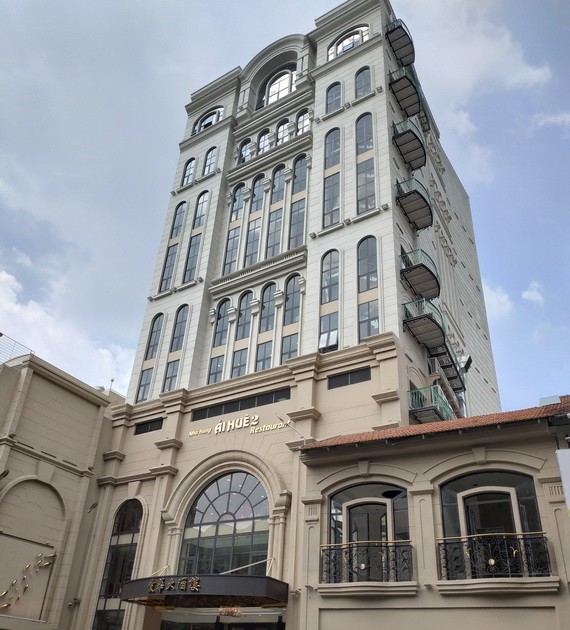
Read how the rise and turnover of tea houses and banquet restaurants thread together local memory in Chợ Lớn, comparing the narrative vantage of a newspaper sketch with that of fiction. Read in full on the original newspaper website; the author's 2019 descriptions and historical recollections require independent verification and are not current business listings.
Enter through a century of Cantonese dim sum master–apprentice lineage spanning Guangzhou's 1920s Tongqinlou teahouse and Hong Kong's culinary world, observing how teahouse craft carries urban change and migration memory alongside Leung Ping-kwan's fiction and Tao Ran's Chợ Lớn sketches. fictionalized teahouse genealogies are neither culinary historiography nor contemporary dining guides.
Read the publisher's excerpt of "Restaurant in the Desert" on cooking, improvising dish names, and hosting guests to ask how familiar flavors enter an unfamiliar environment. Prepared from the 50th-anniversary book-page excerpt without reading the full book or collating word for word against earlier printings; depictions of local others should likewise be read critically as a sojourner's narrative perspective.
Turn to the rural French Winter–Spring volume through its preface on food preservation, seasonal change, and neighborly exchange, comparing how shared living reshapes kitchen routines. Based on recorded prefaces and tables of contents without a full reading or recipe testing; keep the Winter–Spring volume distinct from the companion Summer–Autumn volume, and do not generalize one household's experience into customs for all of France.
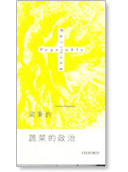
Conclude with the author's note on the publisher's page to enter food poetry, comparing how taste, memory, and public culture connect in another literary form. Prepared from the author's note without close-reading individual poems or the full collection; readers can approach selected poems with questions from the preceding banquet and expatriate kitchen sections, without our naming specific unverified poem titles here.
Starting with Publication: Editors and Periodical Vision
From the distinct forms of essays, newspaper pieces, and collected volumes, continue asking how everyday experiences are edited, published, and brought to readers.
Street Names and Old Houses: Who Keeps a City's Past
Readers drawn to market routes and old restaurants can continue to street names, architecture, and urban memory to compare how personal recollection connects with public space.