Questions to explore AI-assisted curation · Item-level sources
After Returning Home
Why does returning to a former home feel at once familiar and estranged? Start with literary scenes of reunion and moving away, compare sustained return visits, choices to resettle and farm, and villages reconstructed in memory, then examine who claims the right to narrate home in fiction before comparing homecoming families in documentary film.
A few starting points
Guides and recorded reading links come first; ties keep selection order. This is not a quality ranking.
After Reunion: Why Familiar People Grow Distant
故鄉
Begin with returning home to pack up the family house and reuniting with Runtu, comparing remembered childhood closeness against present social distance. Read via the Wikisource digital transcription without word-for-word collation against the original periodical; read it as fiction rather than treating the first-person narrator as straight autobiography or mistaking the dateline month of composition for the date of first publication.
Selection source ↗
Image information
Preview image via wikidata.org; rights remain with their holders.
Automatically matched from work source; image not reviewed
小城之春
Continue with Fei Mu's 1948 landmark Spring in a Small Town, where visiting physician Zhang Zhichen returns to a ruined postwar Jiangnan courtyard to face his ailing friend Dai Liyan and former love Zhou Yuwen across distance and restraint; pair with "My Old Home" on estrangement in reunion, keeping the 1948 original distinct from the 2002 remake.
Selection source ↗
English · Hardcover · 2021-06-22 · Verso
Image information
Cover via Open Library · Verso, ISBN 9781839761775. Image rights remain with their holders; this service link is not an open licence or permission to mirror the image.
Sourced; not human-verified
中国在梁庄
Version title: China in One Village: The Story of One Town and the Changing World
Enter through the chapter "My Hometown Is Liangzhuang" in the table of contents alongside author interviews, asking how the dual position of native insider and outside observer shapes rural nonfiction. Prepared from blurbs, the table of contents, and interviews without a full reading; keep villagers' accounts distinct from the author's framing, and do not generalize one village to all rural China.
Selection source ↗After Returning: Continued Observation and Living Anew

Chinese · Hardcover · 2021-01 · 上海三联书店
Image information
Preview image via ilixiangguo.com; rights remain with their holders.
Automatically matched from work source; image not reviewed
梁庄十年
Continue with public excerpts where the author explains why she returned to write again, then choose sections on houses or returning villagers from the table of contents to ask how relations between observer and observed shifted a decade later. Prepared from excerpts and the table of contents without reading full chapters; note that this is an independent follow-up book rather than a revised edition of China in One Village.
Selection source ↗
Chinese · 2008-05-13 · 牛津大學出版社
Image information
Preview image via oupchina.com.hk; rights remain with their holders.
Automatically matched from work source; image not reviewed
山南水北
Read periodic reporting trips alongside essays written after moving back to farm in a rural community where the author had once lived, comparing degrees of distance and participation. Miluo was a former place of residence rather than the author's birthplace, and one writer's personal life choice is not a universal prescription for rural return.
Selection source ↗Returning in Memory: What Bears Witness to a Past Life

Chinese · Hardcover · 2022 · 译林出版社
Image information
Preview image via read.douban.com; rights remain with their holders.
Automatically matched from work source; image not reviewed
一个人的村庄
Start with the open-access excerpt of "Evidence of This Life" from an earlier edition alongside the author's reflections on remembering a village, asking how houses, paths, and traces of habitation serve as proof of return. Prepared from that essay excerpt without reading the full book; the 2022 revised edition is recorded here, whose word-for-word correspondence with the earlier excerpt awaits collation.
Selection source ↗Chinese · Paperback · 2020-07-10 · 三民書局
Image information
Cover via Google Books · ISBN 9789571468303. Image rights remain with their holders; this service link is not permission to mirror the image.
Automatically matched by ISBN; image not reviewed
河宴
Use the preface reproduced on the book page and the table of contents to compare how childhood, rivers, and temporal distance organize another mode of homeland memory. Prepared from book descriptions, the preface, and the table of contents without a full reading; this is a return enacted through recollection, not field investigation of the kind conducted by Liang Hong.
Selection source ↗
English · Paperback · 2009 · HarperPerennial
Image information
Cover via Open Library · ISBN 9780061436918. Image rights remain with their holders; this service link is not permission to mirror the image.
Automatically matched by ISBN; image not reviewed
邊城
Version title: Border Town
Read Shen Congwen's 1934 novella Border Town—written at a distance looking back toward the Chadong ferry crossing in Xiangxi—alongside contemporary village memoirs to ask how lyricism both preserves and reshapes regional memory. Selected from NBINet and Library of Congress records without reading the full text; the literary border town is not a comprehensive ethnography.
Selection source ↗Back to Fiction: Who Gets to Tell the Story of One Home

Image information
Cover via Open Library · 鏡文學, ISBN 9789869837330. Image rights remain with their holders; this service link is not an open licence or permission to mirror the image.
Sourced; not human-verified
鬼地方
Bring the prose sections together through departures, returns, and polyphonic family narration between Yongjing and Berlin, asking how competing memories coexist within a single household. compare its narrative form against the preceding nonfiction works without treating fictional plotlines as evidence of local history or the author's biography.
Selection source ↗From Page to Documentary: Does Going Home Bring Family Closer?
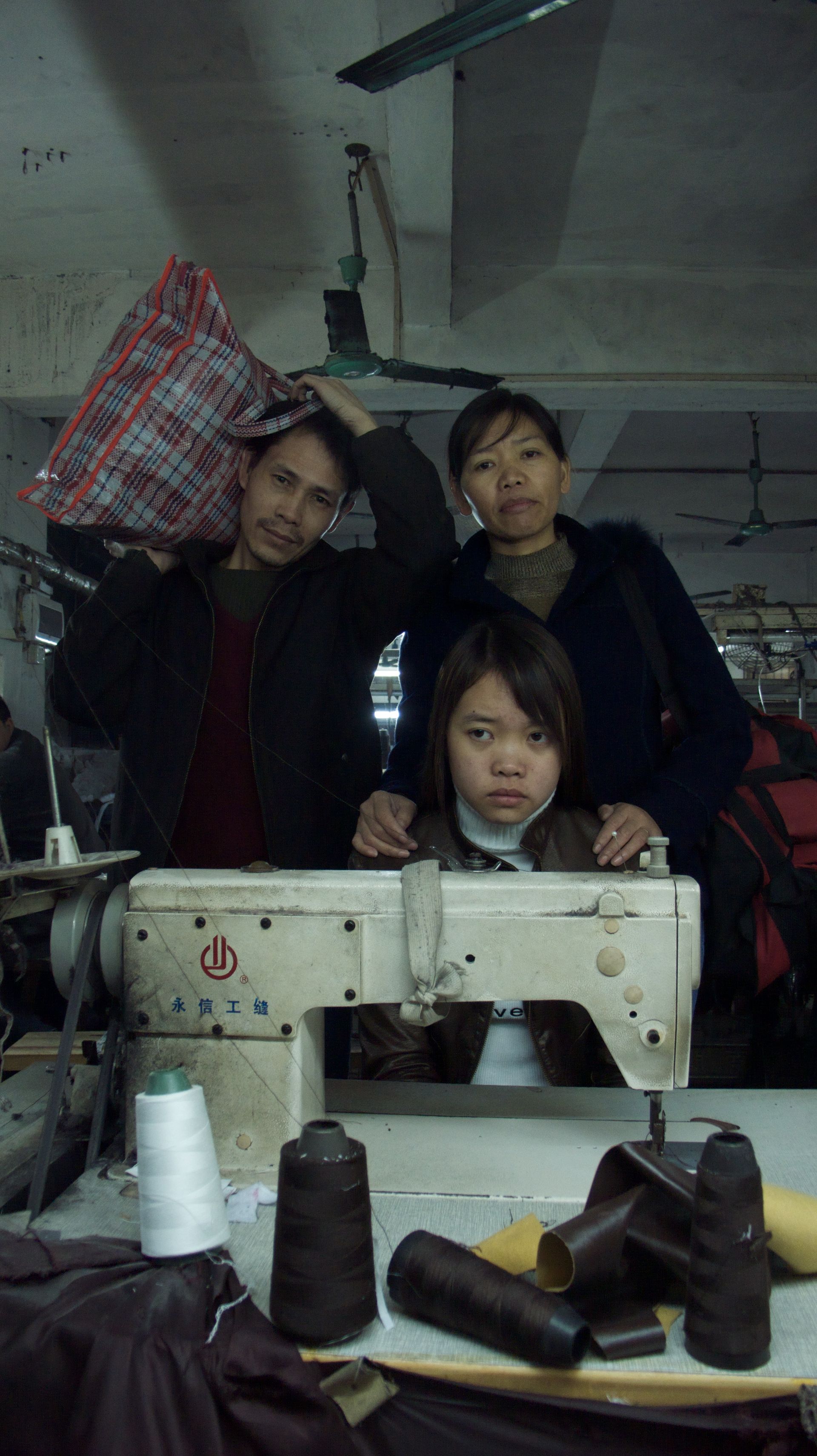
Chinese · Film print · 2009 · 院線公映
Image information
Preview image via idfa.nl; rights remain with their holders.
Automatically matched from work source; image not reviewed
歸途列車
Compare Last Train Home with the preceding homecoming texts: once the arduous journey home ends, does emotional distance within the family narrow? distinguish a specific documented family from fictional narrative without treating it as a sample of all migrant workers.
Selection source ↗Transnational Family Reunions: Who Decides How to Say Goodbye
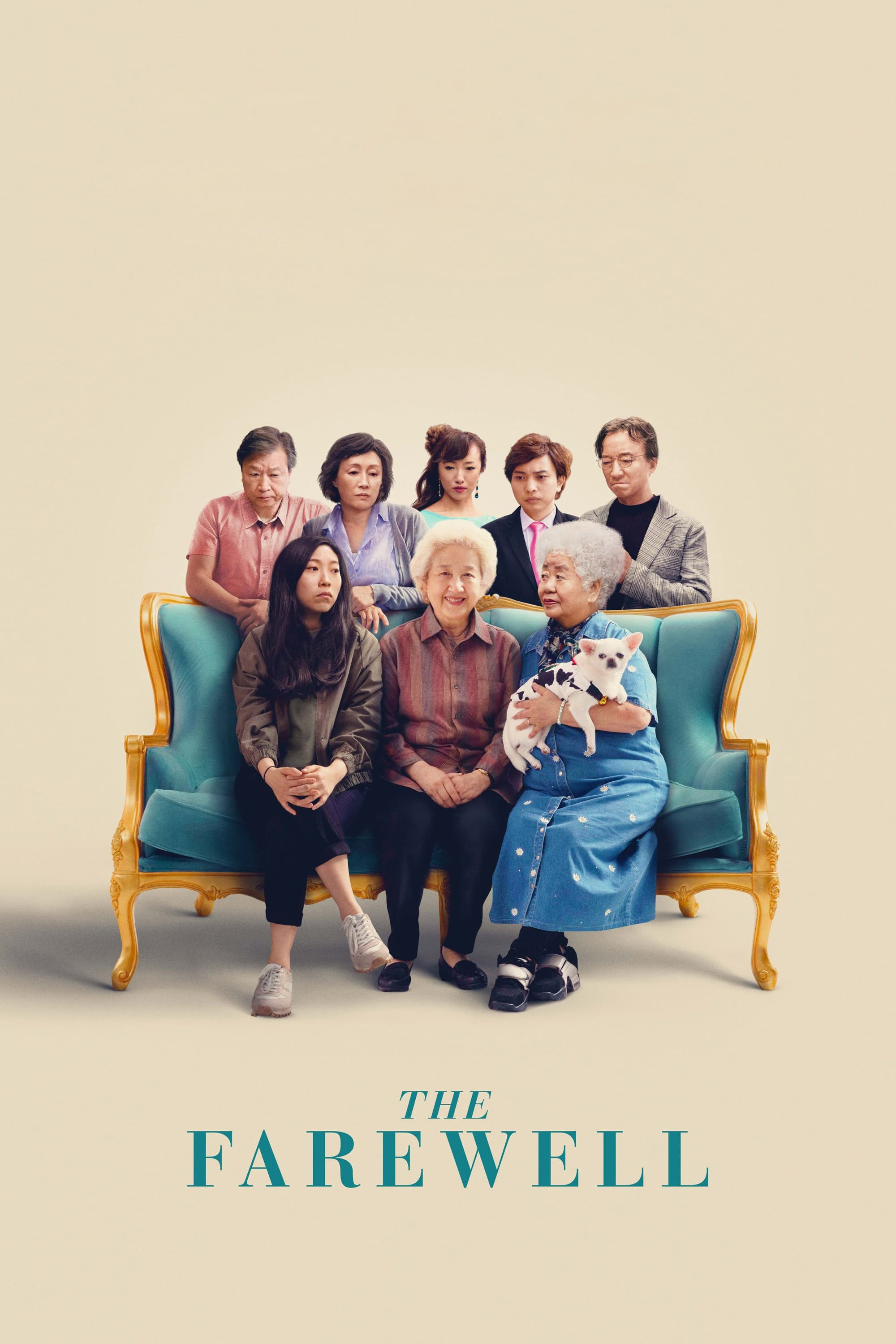
Chinese · Film print · 2019 · 院線公映
Image information
Preview image via a24films.com; rights remain with their holders.
Automatically matched from work source; image not reviewed
The Farewell
Compare with The Wedding Banquet on how a wedding becomes an arena for family negotiation, and with Song of the Exile on returning to China and cross-generational understanding; without generalizing one family's ethical choices into universal Chinese values.
Selection source ↗Revisiting Writers' Accounts: How Print and Documentary Organize Rural Memory
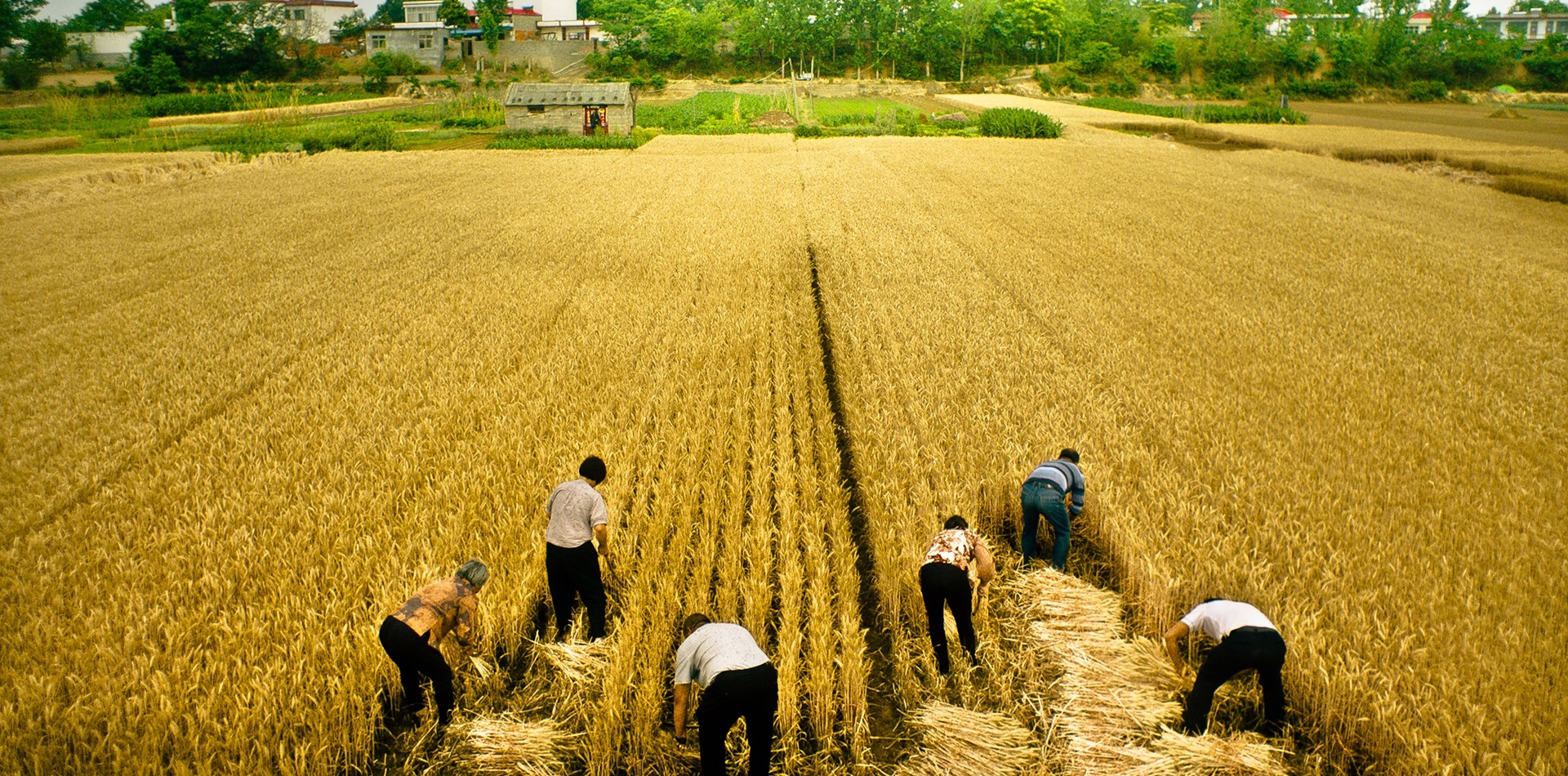
Chinese · Film print · 2020 · 院線公映
Image information
Preview image via hkaff.asia; rights remain with their holders.
Automatically matched from work source; image not reviewed
一直游到海水變藍
Compare how Liang Hong's family memories enter both print and documentary alongside China in One Village and Ten Years in Liangzhuang, distinguishing the writer's oral storytelling, the director's structural framing, and historical fact. without assuming a chapter-by-chapter adaptation of the two books.
Selection source ↗Debates and citation paths
Derived from recorded factsArrows point from responding works to the works discussed; names identify their creators. Only recorded relations are shown, not a complete intellectual history.
Relations and sources · 4
- 一直游到海水變藍 → Discusses → 中国在梁庄 · Sourced; not human-verified
贾樟柯在片中专访作家梁鸿,梁鸿重返河南邓州梁庄故土,实地对照并讲述《中国在梁庄》记录的家族记忆、乡村凋敝与村民生存历程。
Source ↗ - 一直游到海水變藍 → Discusses → 梁庄十年 · Sourced; not human-verified
影片记录梁鸿携子重返梁庄并追溯进城亲友的命运,与《梁庄十年》对乡村剧变后后续十年生存轨迹的田野追踪形成紧密的声影互文。
Source ↗ - 梁庄十年 → Extends → 中国在梁庄 · Sourced; not human-verified
作者公开书摘说明在《中国在梁庄》之后重返村庄延续十年观察写成独立新作
Source ↗ - What You Don't Know → Cross-media adaptation → The Farewell · Sourced; not human-verified
This American Life官方音频档案与A24电影资料明确《The Farewell》由王子逸2016年在此广播节目中播出的第一手纪实故事扩展改编而来。
Source ↗
Read next
Questions to explore
Home and Away at the Table
Memory at the Family Banquet: Whom Does a Dish Connect?
Shift from memories of villages, houses, and kin to family banquets, comparing how home is remembered through objects, flavors, and everyday conviviality.
Questions to explore
Migration and Settlement
Looking Back at Qiaoxiang: How Those Who Stay Participate in Migration
Compare individual homecomings and the experiences of those who stay behind with questions of family, schooling, and livelihood in emigrant hometowns (qiaoxiang), avoiding a view of migration told only through those who leave.
Editor: sinophone.world · · Selection record