Places and regions / United States AI-assisted curation · Item-level sources
New York
Move from post-WWII Manhattan Chinatown fiction and its screen adaptation to short stories of overseas Chinese students, New York essays, and films of intergenerational care, queer partnerships, and Flushing mother-daughter ties, comparing how diverse generations and languages meet in New York.
The urban and immigrant community space of New York City (including Manhattan Chinatown, Flushing, and other neighborhoods); recorded only where work or screening documentation explicitly attests a New York setting, without subsuming North American diasporic narratives into New York indiscriminately.
Works on this page · 8
All selected works
Explore each work’s connection to a place, with reading reasons and sources.
Starting point for overseas student and queer short fiction: the 2007 Elite Books six-story selection links 1960s Chinese students' displacement in Manhattan ("Li T'ung: A Chinese Girl in New York") with turn-of-the-century queer companionship and AIDS mourning in New York ("Danny Boy," "Tea for Two"). Kept distinct from the 1974 Hong Kong seven-story volume of the same title; recommended from union catalogs and publisher blurbs without reading the full collection, and fictional characters do not stand as a general history of overseas students.
Diasporic essay counterpoint: gathers nineteen essays—including "Thus Have I Seen" and "Three Notes from the Cui Household"—plus the titular preface written after relocating to New York, setting street-level observation, livelihood pressures, and cultural negotiation alongside Pai Hsien-yung's fiction. Keep the 1984 first edition distinct when checking later ISBN-assigned printings; recommended from archival synopses and catalog records without reading the book in full, and personal essays do not serve as a sociological survey.
Landmark early Chinatown English novel: set in Manhattan's Chinatown shortly after the postwar repeal of Chinese exclusion laws, Louis Chu's Siyi-inflected Chinatown vernacular captures everyday strains as an aging bachelor society transitions toward young married households, offering an Anglophone counterpoint to Chinese-language New York writing.fictional episodes are not treated directly as community archival records.
Cross-media adaptation pairing: Wayne Wang brings Louis Chu's novel to the screen in 1949 New York Chinatown, staging marital pressure, clannish gossip, and neighborhood space while inviting comparison with his San Francisco Chinatown films Chan Is Missing and Dim Sum.household pressures in the story are not generalized to all Chinese families.
Intergenerational cohabitation and language barriers: follow a retired Beijing tai chi master living with his son and American daughter-in-law in suburban New York before washing dishes in Chinatown, reflecting on eldercare, cultural friction, and paternal dignity alongside the cataloged original Chinese screenplay.the director's Taiwanese background does not place the story in Taiwan.
Queer partnership and transnational family negotiation: a gay Taiwanese man settled in Manhattan stages a marriage of convenience for his visiting parents; pair with the late stories in New Yorkers and with Saving Face to examine how queer intimacy confronts lineage expectations. Listed as transnational context in the Taiwan guide, the film enters here through its concrete New York domestic and immigrant setting; recommended from Taiwan Cultural Memory Bank records without viewing the full film.
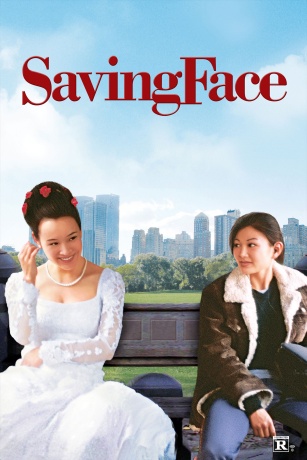
Between Manhattan and Flushing: a young Chinese American surgeon in Manhattan takes in her unexpectedly pregnant mother from Flushing, weaving lesbian romance, mother-daughter silence, and community anxieties over "face" across two distinct New York neighborhoods in gendered and spatial dialogue with The Wedding Banquet.one household does not stand for all Chinese Americans.
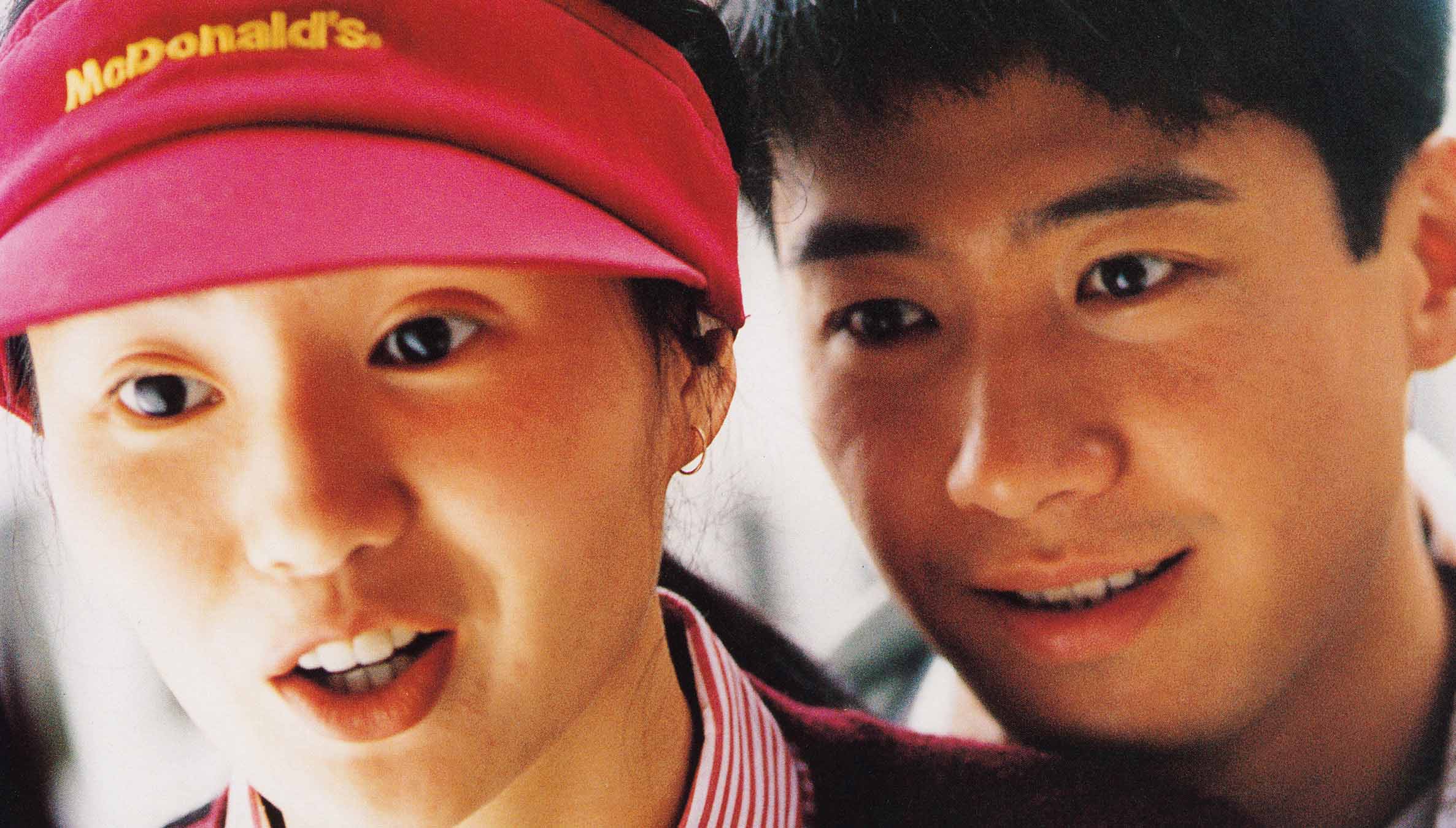
Transoceanic mobility context: two mainland newcomers meet and part in Hong Kong before reuniting years later outside a Manhattan Chinatown storefront, showing how onward migration between Hong Kong and New York reshapes ideas of diasporic arrival; because the film's primary narrative remains in Hong Kong, it enters here as cross-regional context rather than a primary New York setting.
Focuses on intergenerational immigrant life, queer and family ethics, and overseas student and diasporic Chinese-language writing across Manhattan's Chinatown, Flushing, and greater New York; distinguishes fictional and personal perspectives across stories, essays, and cinema without generalizing a single city to all Chinese American experience.
Reference points indicate location, not the extent of this selection.