Places and regions / United States AI-assisted curation · Item-level sources
San Francisco Bay Area
Read immigrant memory, women's predicaments, and family life across languages and generations—from Angel Island's Chinese barracks poems and bilingual archives to Chinese American literary classics and cinema across San Francisco's Chinatown and Stockton in Northern California.
The urban scope of San Francisco, United States, including Chinatown narratives explicitly attested in sources; neither automatically expanded to the entire San Francisco Bay Area nor used to substitute fictional character experiences for migration history.
The literary and oral-historical space of Angel Island and its immigration detention station in San Francisco Bay; neither equated directly with the city of San Francisco nor used to assign a place of composition to later edited anthologies based on where the original wall poems were carved.
Literary and historical space of Stockton in California's Central Valley and San Joaquin River Delta, including its Chinatown and Chinese immigrant laundry-family neighborhoods (as portrayed in Maxine Hong Kingston's The Woman Warrior); kept strictly distinct from downtown San Francisco and the Angel Island Immigration Detention Station, without equating mythic and oral-memory inflected memoir with literal municipal history.
Works on this page · 8
All selected works
Explore each work’s connection to a place, with reading reasons and sources.
Book
Island: Poetry and History of Chinese Immigrants on Angel Island, 1910-1940
Cover via Open Library · University of Washington Press, ISBN 9780295994079. Image rights remain with their holders; this service link is not an open licence or permission to mirror the image.
Book · Editor Him Mark Lai · Editor Genny Lim · Editor Judy Yung
Begin with a single Chinese poem alongside its English translation before turning to detainee oral histories and historical context. Currently records the expanded 2014 second edition; compiled and translated by Him Mark Lai, Genny Lim, and Judy Yung, this bilingual volume is neither a Chinese translation of an English monograph nor authored by the three editors as original poets.
Cover via Google Books · Columbia University Press, ISBN 9780231157506. Image rights remain with their holders; this service link is not an open licence or permission to mirror the image.
Follow the primary poems with Te-hsing Shan's English critical chapter to see how Sinophone scholarship frames Angel Island poetry. Currently cataloged from pages 385–396 of the 2013 Sinophone Studies reader while any earlier publication venue remains pending verification; this critical essay is neither a primary poetry anthology nor a substitute for poet and edition records.
Enter Fusang through its portrait of women and migrant figures in nineteenth-century San Francisco's Chinatown, pairing it with the Angel Island poetry volume to compare how historical fiction and archival recovery organize subaltern voices. Currently records the 2009 New Star Press illustrated edition; recommended from library catalog summaries without reading the novel in full, noting that the heroine's name does not place the work under Japan and fictional episodes do not stand directly as historical fact.
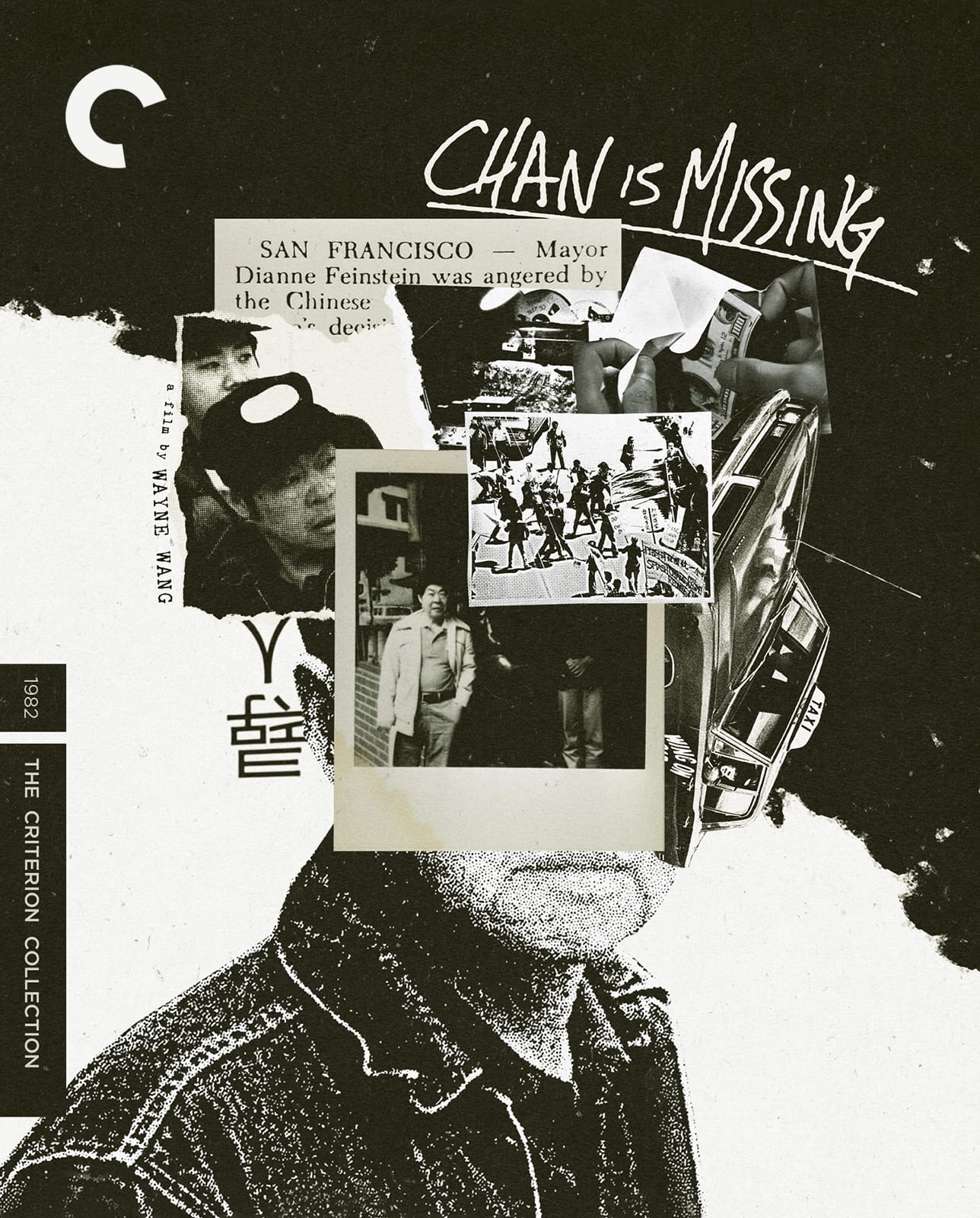
Follow a cabbie and his nephew searching for their missing partner to hear polyphonic voices across San Francisco's Chinatown, comparing neighborhood narratives across eras with Fusang and missing-person structures with A Land Imagined while keeping each site's immigration regime and livelihoods distinct.
Through the bond between a widowed Chinese immigrant mother and her adult daughter in San Francisco, compare family expectations and personal choice with The Joy Luck Club and Saving Face, and compare how everyday food rituals organize generational ties with Eat Drink Man Woman.
An Asian American nonfiction landmark expanding the Northern California Chinatown horizon—Maxine Hong Kingston weaves maternal talk-story and folk myth through her childhood in a Chinese immigrant laundry family in Stockton in California's Central Valley. Paired here alongside San Francisco Chinatown works (The Joy Luck Club, Fusang) while keeping Stockton strictly distinct from San Francisco, with both 2018 simplified and 2025 traditional Chinese translations cataloged; compiled from LCNAF, Open Library, and NBINet records without reading the book in full.
Amy Tan's 1989 debut novel structures sixteen interlocking stories around San Francisco mahjong tables to trace wartime trauma, linguistic distance, and generational negotiation between four Chinese immigrant mothers and their American-born daughters. Pair across media and languages with Wayne Wang's 1993 film adaptation, Dim Sum, and Kingston's The Woman Warrior; compiled from TFAI and Penguin Random House records without reading the novel in full, and four fictional households do not represent all Chinese immigrant families.
Directed by Wayne Wang from a screenplay co-written by Amy Tan and Ronald Bass, this 1993 adaptation translates the novel's polyphonic mother-daughter voices into cinematic flashback across San Francisco; pair with the source novel as well as Chan Is Missing and Dim Sum.without taking dramatic representation as representative of all Chinese American households.
An overview by the Angel Island Immigration Station Foundation introducing the carved Chinese barracks poems and their preservation, ideal to read before turning to the edited anthology. The web page offers historical context rather than all original poems, and publication dates mentioned online require separate verification against edition histories in Island.
Framed at the metropolitan scale of the San Francisco Bay Area centered on Angel Island and San Francisco's Chinatown, while extending comparatively to neighboring Northern California Central Valley Chinatown memory in Stockton through The Woman Warrior; keeps Stockton, downtown San Francisco, and Angel Island distinct, and neither equates the Bay Area with the City of San Francisco nor represents California or the United States as a whole.
Reference points indicate location, not the extent of this selection.